M&A Titans. The pioneers who shaped the M&A industry.
Brett Cole's book profiles the people who built the modern transaction business: the lawyers, bankers, financiers, and operators who turned mergers and acquisitions from a craft practiced by a few firms into a global discipline. The patterns they left behind still shape how lower-middle-market deals get done today.
The Titans
The book names eleven. Here are nine of them, the cast whose moves still get copied in deal rooms today.
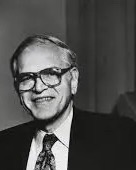
Corporations paid Skadden an annual retainer for one thing: the guarantee that Joe Flom could never turn up across the table. Wall Street called it "Flom insurance." By 1978 those retainers were two-thirds of the firm's revenue.
Skadden Arps and a generation of hostile and friendly transactions.
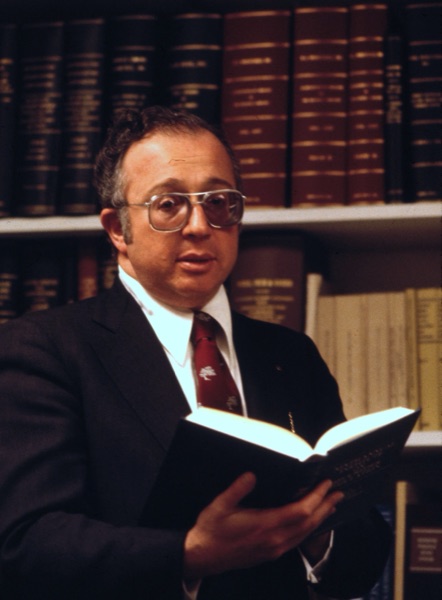
His 1982 invention works like this: the moment a raider grabs a big stake, every other shareholder gets to buy new shares at half price, drowning the raider in cheap stock. The threat alone forces raiders to negotiate with the board. The Wall Street Journal named it the poison pill.
The poison pill and the legal architecture of takeover defense.
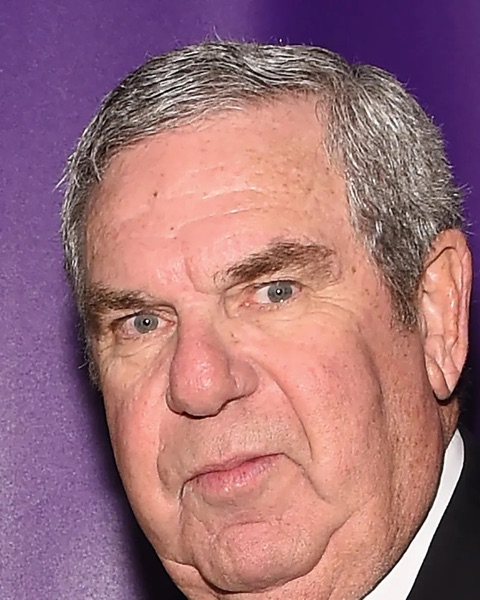
Sitting across from Lazard's banker on a Chicago merger, Harris settled every open issue in five minutes. "What are they paying us for? We gotta make it look like a wrestling match." He undid his tie, mussed his hair, waited two hours, then told the executives: "I think we might have something here."
The trusted go-between of the craft, the Chicago dealmaker with the confidence of both sides of the table.
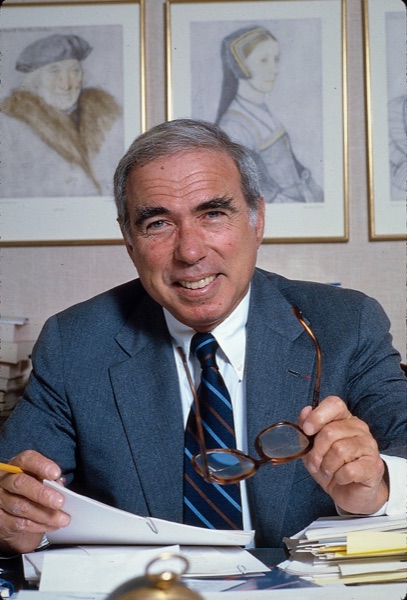
When New York City neared bankruptcy in 1975, Rohatyn negotiated with union leaders over breakfast at the Regency Hotel, sketching rescue financing on napkins, and spent three days and nights at City Hall sleeping on a wooden bench outside the Blue Room.
Lazard, the city of New York rescue, and the role of the patient advisor.
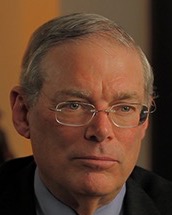
Getty Oil's board wanted Goldman to bless Pennzoil's $112.50-a-share offer. Boisi refused: the company was worth $125 to $128. Board member Larry Tisch screamed he'd sue Boisi personally for billions. Boisi ignored him, and a week later, after a worldwide search by the firm, brought the board three bidders. Texaco paid $125.
Teamwork and preparation that carried Goldman's merger department to the top of Wall Street.
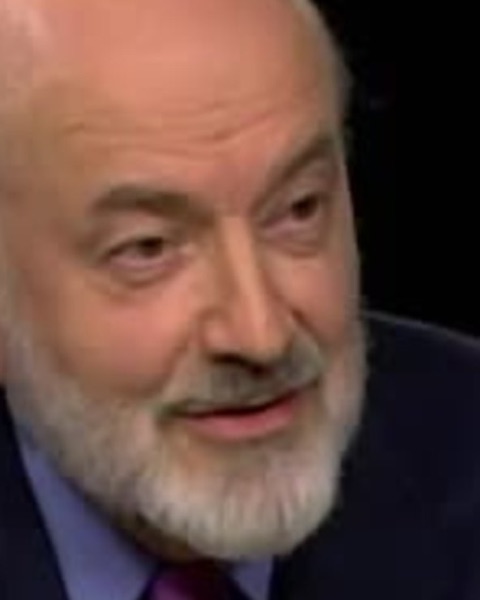
In February 1988 Perella and Wasserstein walked out of First Boston and started from empty offices. Henry Kravis sent them fees their first month. Nomura paid $100 million for 20 percent within six months. By year-end the tiny firm ranked number two in global M&A. "A jet-propelled start."
Built First Boston's M&A franchise into a magnet for a generation of talent, then walked out and did it again.
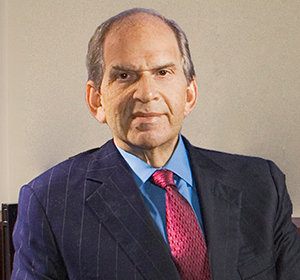
When a board hesitated over a bold bid, Wasserstein delivered what bankers called the "Dare to be Great" speech. Boards dared, premiums soared, and Forbes put him on its 1989 cover as "Bid-'em-up Bruce." He hated the nickname. It stuck for life.
First Boston, Wasserstein Perella, and the choreography of the modern deal.
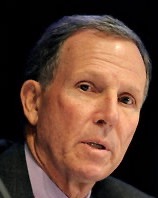
He built Lehman's merger department by borrowing Joe Flom's playbook: charging retainers and publicizing every deal in the Wall Street Journal. A decade later, at Morgan Stanley, he advised KKR on the $25 billion RJR Nabisco buyout, the fight retold in Barbarians at the Gate.
Established the merger department at Lehman Brothers in an era of famous internal intrigue.
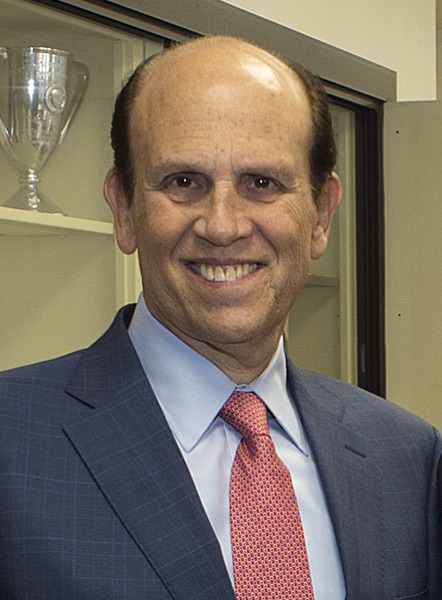
At Berkeley, Milken read a dusty 1958 study showing that "junk" bonds, held broadly, beat blue-chip portfolios. He turned that footnote into a $200 billion market. By the mid-1980s two words from Drexel, "highly confident," could put almost any company in America in play.
High-yield debt and the financing of the modern leveraged buyout.
Photo credits: Martin Lipton by Bernard Gotfryd (public domain); Bruce Wasserstein by Lazard Ltd (CC BY-SA 3.0); Michael Milken by Maryland GovPics (CC BY 2.0), via Wikimedia Commons.
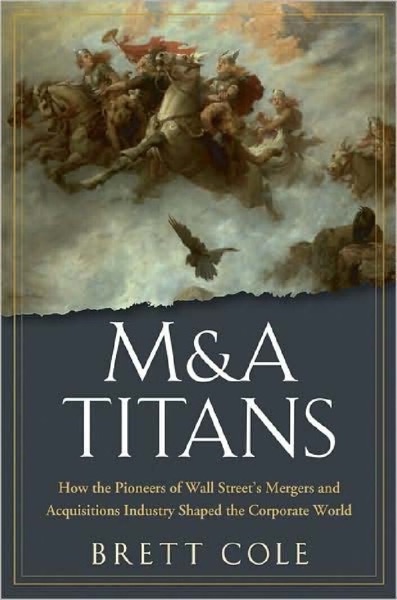
Why this book, and not another deal book.
Wall Street's merger industry is younger than it looks. Brett Cole, who covered Wall Street for Bloomberg News, traces its rise to the early 1970s: the Dow swooning, the economy in recession, and a handful of lawyers and bankers discovering that advising on takeovers risked none of a firm's capital and paid either way.
"Mergers and acquisitions; or as we used to say, murders and accusations." Scott Newquist, former Morgan Stanley managing director, quoted in M&A Titans
The book follows eleven men. Two lawyers, Flom and Lipton, taught the bankers how to strategize. Harris and Rohatyn ran on relationships. Goldman Sachs systematized the craft, First Boston reinvented it, and Milken financed the boom that followed.
"For a time, these 11 men bestrode Wall Street, the most identifiable personalities in American finance, promoted as rock stars by their firms and public relations executives." Brett Cole, M&A Titans
The patterns hold at our end of the market too. Deals are still won on preparation, relationships, and speed. The defenses Lipton invented and the tactics Wasserstein choreographed have descendants in every process we see in the lower middle market.
A short note, once or twice a month, on what we are seeing in lower-middle-market acquisitions.
We publish a few longer pieces a year and shorter field notes in between. No marketing copy. Sectors, deal patterns, operating tactics, and where AI is and is not earning its keep yet inside lower-middle-market portfolios.
Unsubscribe any time.